


Using accounting software has become part of how many businesses keep their finances under control without losing time or making constant mistakes. It’s no longer just about recording income and expenses; it’s about having clarity, staying organized, and knowing exactly where the business stands at any moment. Choosing the right tool can make day-to-day operations much smoother and more predictable.
A common mistake is picking a system just because it’s popular or cheap, without thinking about how it actually fits the way the business works. Not every tool adapts well to every workflow. That’s why it’s important to look beyond features and focus on what really helps you manage your finances in a practical, sustainable way.
What is accounting software and what is it used for?
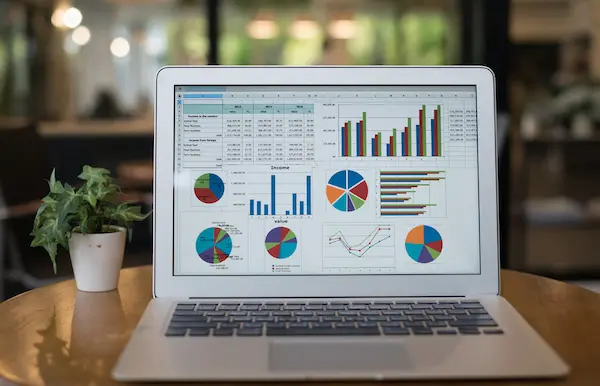
Accounting software is a digital tool designed to record, organize, and process a company’s financial information in an automated way. Its main purpose is to simplify tasks such as tracking income and expenses, invoicing, bank reconciliation, and generating financial reports. In today’s environment, these systems go beyond basic bookkeeping—they also help ensure compliance and support better decision-making through accurate, real-time data.
Core functions of accounting software
Accounting software integrates several key features that allow businesses to centralize all financial data in one place. Some of the most important include electronic invoicing, automated transaction recording, accounts receivable and payable management, and financial reporting such as balance sheets and income statements. These features reduce manual work and significantly lower the risk of human error.
In addition, many modern platforms offer integrations with banks and tax authorities, making processes like bank reconciliation and tax reporting much more efficient. This not only saves time but also improves accuracy, which is critical for businesses that want to operate in an organized and compliant manner.
What problems it solves for businesses and small companies
One of the main problems that accounting software solves is financial disorganization. Many small businesses still rely on spreadsheets or manual records, which increases the risk of errors, duplicated data, and lack of control. With an automated system, all financial information is centralized and accessible in real time.
Another common issue is tax compliance. Without proper systems in place, businesses often struggle with deadlines, calculations, and reporting requirements. A reliable solution helps track obligations, manage deadlines, and reduce the risk of penalties, which is especially important in regulated environments.
Difference between accounting software and manual bookkeeping
The main difference between accounting software and manual bookkeeping lies in efficiency and accuracy. Traditional methods rely entirely on manual data entry, which increases the likelihood of errors and consumes valuable time. In contrast, automated systems streamline processes and improve consistency.
Additionally, manual accounting does not provide real-time financial visibility. With software, businesses can access up-to-date reports at any moment, making it easier to make informed decisions. This becomes especially important for companies that need to respond quickly to financial changes or market conditions.
Best accounting software for small businesses (2026 comparison)
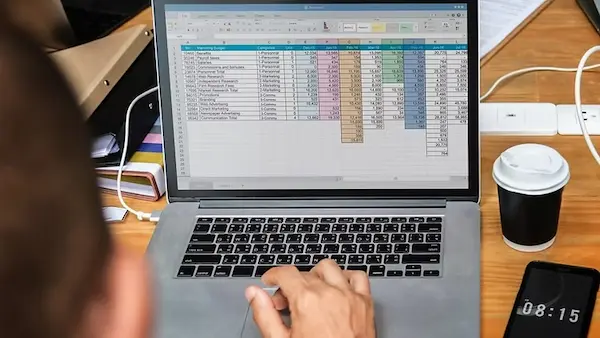
Choosing the right accounting software can make a significant difference in how efficiently a business manages its finances. With so many options available in 2026, the key is not just picking the most popular tool, but selecting one that aligns with your business size, industry, and compliance requirements. A proper comparison helps identify which solution offers the best balance between functionality, usability, and cost.
Accounting software for small businesses
For small businesses, the ideal accounting software should be simple, reliable, and easy to implement without requiring advanced technical knowledge. These tools are designed to handle core tasks such as invoicing, expense tracking, and basic financial reporting, making them accessible even for non-accountants.
Some widely used options include:
- QuickBooks Online: One of the most popular choices globally, known for its ease of use and strong reporting features.
- Xero: Offers a clean interface and powerful integrations, ideal for growing small businesses.
- Wave: A free option suitable for freelancers and very small operations with simple needs.
These platforms provide a solid starting point for businesses that need structure without unnecessary complexity.
Accounting software for growing businesses
As a company expands, its needs become more complex, and the chosen accounting software must be able to scale accordingly. Growing businesses often require features like multi-user access, advanced reporting, inventory tracking, and integrations with other systems such as CRM or payroll.
In this stage, more robust solutions are typically considered:
- NetSuite: A comprehensive ERP system suitable for businesses with more advanced operational needs.
- Zoho Books: Offers a strong balance between functionality and affordability, with good scalability.
- FreshBooks: Known for its user-friendly design and strong invoicing capabilities.
These tools support more advanced workflows and provide better visibility as operations grow.
Comparison: features, pricing, and advantages
When comparing different accounting software options, it’s important to look beyond surface-level features. Pricing structures can vary significantly, from free plans to subscription-based models with multiple tiers depending on usage and features.
A practical comparison should consider:
- Ease of use: How quickly can your team adapt?
- Scalability: Will the system support your growth?
- Compliance: Does it meet local tax requirements?
- Support: Is help available when needed?
Taking the time to evaluate these factors ensures that the chosen solution not only meets current needs but also supports the business in the long term.

Benefits of using accounting software in Chile
Implementing accounting software in Chile allows businesses not only to organize their financial information, but also to operate within a demanding tax environment like the SII. Today, digital accounting is no longer just an operational improvemen, it’s a necessity for maintaining control, avoiding errors, and making more informed decisions. For small and medium-sized businesses especially, using the right tools can make a clear difference in both efficiency and compliance.
Saving time on accounting processes
One of the most noticeable benefits of using accounting software is the significant reduction in time spent on repetitive tasks. Processes like recording income, issuing invoices, or reconciling bank transactions can be automated, freeing up valuable time that can be redirected toward more strategic activities within the business.
In addition, having all financial data centralized in one platform eliminates the need to manage multiple files or systems. This not only speeds up daily operations but also reduces the workload for accounting or administrative teams, especially in growing companies.
Reducing errors and ensuring tax compliance
Using accounting software helps minimize common mistakes such as duplicate entries, miscalculations, or inconsistencies in financial data. Even small errors can lead to significant issues when it comes to tax reporting or audits.
In the Chilean context, where tax compliance is critical, these systems help ensure that financial data is accurate and up to date. Many platforms also integrate directly with the SII, making processes like electronic invoicing easier and reducing the risk of non-compliance.
Real-time financial control
Having immediate access to financial information is one of the biggest advantages of accounting software. Unlike traditional methods, where reports are often delayed, these systems allow businesses to monitor income, expenses, and overall performance in real time.
This level of visibility supports better decision-making, allowing business owners to anticipate cash flow issues, identify unnecessary expenses, and evaluate performance continuously. In practice, this leads to more organized and responsive financial management.

Free accounting software in Chile
Looking for free accounting software in Chile is often one of the first steps small businesses take when starting to organize their finances. These options allow companies to get started without an upfront investment, which is especially appealing in the early stages. However, it’s important to understand that while free tools exist, not all of them provide the level of functionality or compliance needed to operate safely within Chile’s tax system.
Best free options available in Chile
There are currently several accounting software options that offer free versions or basic plans in Chile. These are typically designed for freelancers or small businesses with low transaction volumes and provide essential features without requiring payment upfront.
Some of the most recognized options include:
- Nubox (limited plan): Widely used in Chile, with a strong focus on small businesses and good integration with the SII.
- Defontana (trial or basic version): A robust platform, although full functionality requires a paid plan.
- Contabilium: More oriented toward Latin America, offering basic free features.
- Wave Accounting: Popular globally and suitable for simple operations, but not adapted to the Chilean tax system.
These tools can be a good starting point, but it’s important to assess whether they will meet your needs as your business grows.
Limitations of free accounting software
While free accounting software can be useful at the beginning, it often comes with important limitations. Common restrictions include a limited number of users, basic features, lack of advanced automation, and minimal or no technical support.
In Chile, another key limitation is that not all free tools are fully aligned with SII requirements. This can create issues with electronic invoicing or tax reporting. As a result, businesses may quickly outgrow these solutions as their operations become more complex.
When it makes sense to upgrade to a paid version
The transition to paid accounting software usually becomes necessary when a business starts handling a higher volume of transactions or needs more detailed financial control. Clear signs include increased revenue, a growing client base, or the need to integrate multiple processes into one system.
It’s also recommended to upgrade when reliable technical support and full tax compliance become priorities. Investing in a more complete solution not only improves day-to-day management but also reduces risks and provides greater peace of mind in the long term.
How to choose the best accounting software for your business
Choosing the right accounting software is not just about features, it’s about how well the tool fits your business operations, growth stage, and compliance needs. In many cases, combining the right system with professional accounting services helps ensure that financial data is not only well managed, but also correctly interpreted for better decision-making and long-term stability.
Key factors to consider before choosing
Before selecting accounting software, it’s important to understand your business size, transaction volume, and specific requirements. A small business with basic invoicing needs will not require the same level of complexity as a growing company managing multiple revenue streams and financial reports.
You should also consider how easy the system is to use on a daily basis. If the platform is too complex, it may slow down operations instead of improving them. A practical approach is to test demos or trial versions to ensure the tool aligns with your workflow before making a decision.
Integration with SII and local compliance
In Chile, one of the most important aspects of choosing accounting software is its ability to integrate with the SII. This includes features like electronic invoicing, tax reporting, and compliance with local regulations. Without proper integration, businesses may face additional manual work or even compliance risks.
Using a system that is already aligned with SII requirements helps simplify processes and ensures that financial data is reported correctly. This is especially important for businesses that want to avoid errors in tax declarations or potential issues during audits.
Ease of use and technical support
Ease of use is a critical factor when selecting accounting software, especially for businesses without a dedicated accounting team. A clean interface, intuitive navigation, and clear reporting tools can make a significant difference in daily operations.
Technical support is equally important. Even the best systems can present issues or require guidance during setup and use. Having access to reliable support—whether through chat, email, or local assistance—ensures that problems are resolved quickly and that the system continues to operate smoothly.

Common mistakes when choosing accounting software
Choosing the wrong accounting software can create more problems than solutions, especially when the decision is made without a clear understanding of the business needs. Many companies focus only on price or popularity, overlooking key factors such as usability, compliance, or scalability. Avoiding these common mistakes can save time, money, and unnecessary operational issues in the long run.
Choosing based only on price
One of the most common mistakes when selecting accounting software is choosing the cheapest option without evaluating what it actually offers. While cost is an important factor, a low-priced solution may lack essential features, forcing the business to rely on manual processes or additional tools.
Over time, this can lead to inefficiencies, errors, and even higher costs due to the need to switch systems later. It’s more effective to evaluate the value the software provides rather than focusing only on the initial price.
Ignoring support and updates
Another frequent mistake is overlooking the importance of technical support and regular updates when choosing accounting software. Even well-designed systems may require assistance during setup, troubleshooting, or as the business grows and needs change.
Without reliable support, small issues can become major disruptions. Additionally, software that is not regularly updated may fail to keep up with regulatory changes, especially in environments where compliance is critical.
Not training the team properly
Implementing accounting software without properly training the team can lead to poor usage and underutilization of its features. Even the best tool will not deliver results if users do not understand how to operate it effectively.
Training ensures that employees can take full advantage of the system, reduce errors, and work more efficiently. Investing time in onboarding and ongoing learning can significantly improve the return on investment of the software.
Do you still need an accountant if you use accounting software?
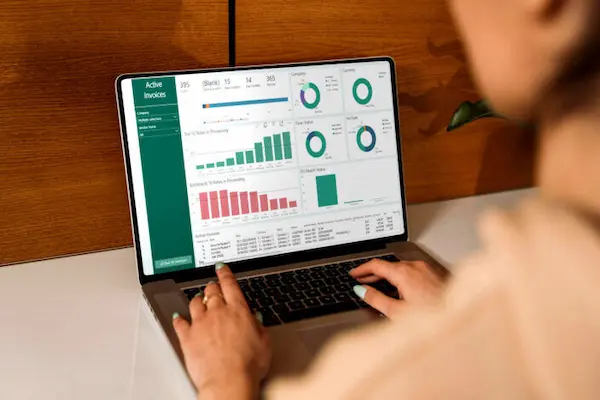
Using accounting software does not completely replace the need for an accountant, especially as a business grows or faces more complex financial and tax requirements. While software helps automate tasks and organize information, it does not provide strategic guidance or interpret financial data in a broader business context. Understanding the role of both elements allows businesses to operate more efficiently and avoid costly mistakes.
When accounting software is enough
For very small businesses or freelancers with simple operations, accounting software may be enough to manage day-to-day financial tasks. If the business has low transaction volume, straightforward income sources, and minimal tax complexity, a well-configured system can handle invoicing, expense tracking, and basic reporting effectively.
In these cases, the key is consistency and correct usage. As long as records are properly maintained and the user understands the basics of financial management, the software can provide sufficient support for maintaining order and compliance at a basic level.
When you need professional accounting support
As operations become more complex, relying only on accounting software may not be enough. Businesses that deal with multiple income streams, employees, tax obligations, or financial planning will benefit from professional accounting support. An accountant can interpret financial data, ensure compliance, and provide guidance on decisions that impact profitability and risk.
In addition, accountants help prevent errors that software alone cannot detect, especially in areas such as tax strategy, regulatory changes, or financial structuring. Their expertise becomes essential for maintaining long-term stability and avoiding costly issues.
How to combine both for better results
The most effective approach for many businesses is to combine accounting software with professional support. The software handles daily operations and data organization, while the accountant provides oversight, analysis, and strategic advice.
This combination allows businesses to benefit from automation without losing the human perspective needed for decision-making. It also creates a more reliable system overall, where data is both accurately recorded and properly interpreted.
FAQs about accounting software
Understanding how accounting software works often comes with practical questions, especially for businesses that are transitioning from manual processes or starting to formalize their financial management. These frequently asked questions address common doubts and help clarify key aspects before choosing or implementing a solution.
Is it mandatory to use accounting software in Chile?
In Chile, using accounting software is not strictly mandatory in all cases, but it becomes practically necessary due to electronic invoicing requirements and SII regulations. Most businesses are required to issue electronic tax documents, which already implies the use of a digital system.
Even when it is not legally required in a strict sense, operating without software can make compliance more difficult and increase the risk of errors. For that reason, most businesses adopt digital solutions as a standard practice.
Can you manage accounting without an accountant?
It is possible to manage basic accounting tasks using accounting software, especially for small businesses with simple operations. Many platforms are designed to be user-friendly and allow non-experts to handle invoicing, expense tracking, and basic reports.
However, as the business grows, relying only on software may not be enough. Tax obligations, financial analysis, and regulatory compliance often require professional expertise to avoid mistakes and ensure proper management.
Which accounting software integrates with SII?
Several accounting software solutions in Chile are designed to integrate directly with the SII, which is essential for issuing electronic invoices and complying with tax requirements. Platforms like Nubox, Defontana, and other local providers offer this type of integration.
Choosing a system that works seamlessly with SII helps simplify administrative processes and reduces the risk of errors in reporting. This is a key factor for businesses that want to operate efficiently and stay compliant with local regulations.
How to implement accounting software without mistakes from the start
Implementing accounting software correctly from the beginning can prevent many operational and financial issues over time. It is not just about installing the system, but about configuring it according to how the business actually works, setting clear processes, and ensuring that the team knows how to use it in daily operations. When this is done properly, the software becomes a reliable tool that keeps financial information organized, accurate, and easy to manage from day one.
Taking the time to set everything up correctly reduces future errors, avoids rework, and improves decision making. In many cases, having professional guidance during implementation can make the process smoother and more effective, especially when dealing with tax requirements or more complex operations. A well implemented system does not just save time, it creates a solid foundation for better financial control and long term business growth.
